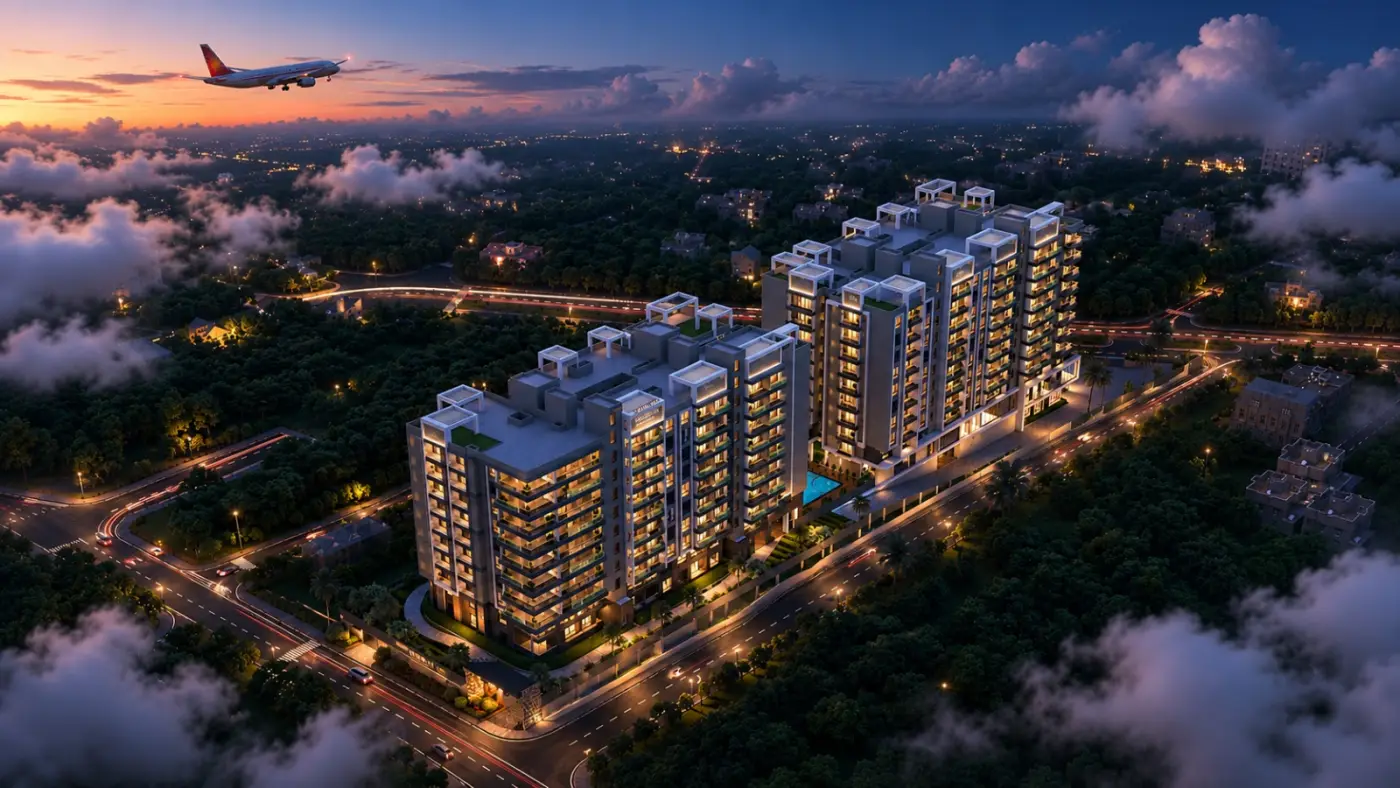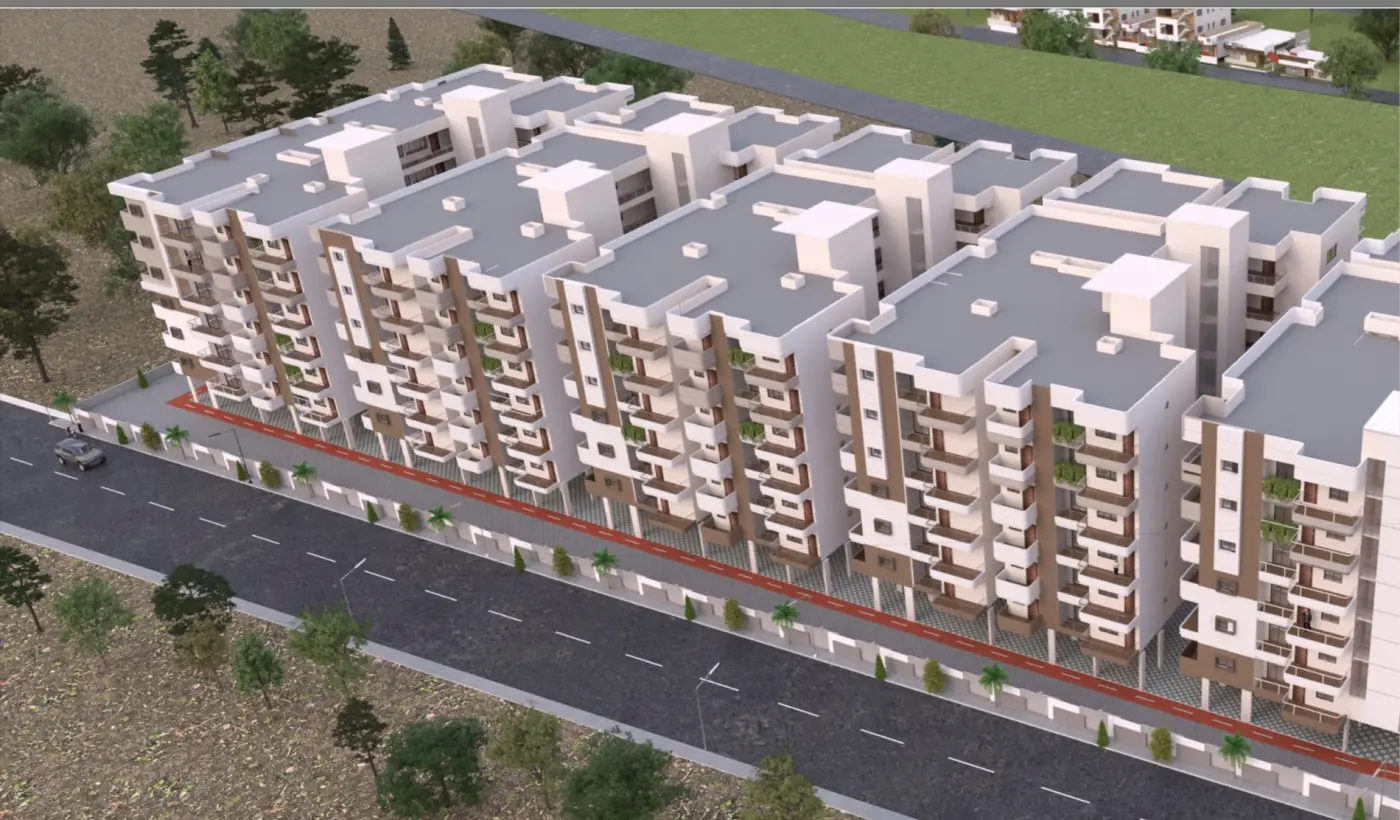
Brochures, renderings and walkthrough videos are useful, but they are made to sell. A site visit is where you find out what they leave out: the approach road, the noise, the light at four in the afternoon, the water pressure on the top floor. This checklist covers what to look for in Hubballi (Hubli) and Dharwad, or anywhere else, for both finished and under-construction flats.
Visit at least twice, at different times. Go once on a weekday at the hour you would leave for work or school, to see the traffic, and once in the evening, to see the lighting and how the area feels. If you can, go once during heavy rain to see where the water goes.
Before you go
- Get the project's RERA number and look it up first; see how to check a RERA project.
- Ask for the floor plan of your shortlisted unit with room sizes and its carpet area.
- Map your daily trips from the site: work, school, hospital, market, railway station and bus stops.
- Bring a measuring tape or laser meter, your phone's compass, a torch, a notepad and a family member who will notice different things from you.
Around the site
- Approach road: How wide is it? Is it paved all the way? Can a fire engine or an ambulance reach the gate easily?
- Traffic and transport: How long does it take to reach the main road at peak hour? How close are buses? On the Hubballi–Dharwad road, the BRTS corridor runs past projects such as Shriya Lake View.
- Drainage: Look for signs of waterlogging on the road and around the plot, such as silt lines on compound walls. Ask neighbours what happens in the monsoon.
- Neighbours and nuisances: A drain, a garbage point, a busy highway, a marriage hall or a workshop next door all change daily life. Walk around the block.
- Daily needs: Schools, clinics and hospitals, groceries, banks and places of worship within a short drive.
- What could come up next door: Ask what the empty plot beside the project is zoned for in the master plan. A view of open land today may be a wall tomorrow.
The building
- Stage of construction: Does it match the latest quarterly update on the RERA portal?
- Structure: Look at exposed concrete for honeycombing (gaps and holes) and at walls for cracks. Ask who the structural engineer is and whether a soil investigation was done.
- Materials on site: Note the brands of steel and cement stacked on site and ask for test certificates.
- Lifts and stairs: How many lifts per block, which make, and are there two staircases? For example, Shreya Serenity plans three lifts in each block and Lake View has twin lifts.
- Fire safety: Hydrants, extinguishers, fire exits and clear escape routes.
- Parking: Is your slot allotted and numbered, covered or open? Is there room for visitors and for two-wheelers?
- Water: Where does the water come from: municipal supply, borewell or both? How large are the sump and overhead tanks? Is there a sewage treatment plant and rainwater harvesting?
- Power: Is there backup for lifts, pumps and common lighting? Any solar panels?
- Security: Gate, watchman, CCTV, intercom.
Inside the flat
For an under-construction project, ask to see a sample flat or a finished unit of the same type, and your actual unit at whatever stage it has reached.
- Measure the rooms and compare them with the plan. Add them up and compare with the carpet area in the agreement; our guide to carpet vs super built-up area explains how.
- Light and air: Does every room have a window? Is there cross-ventilation? Which way does the main balcony face, and where will the afternoon sun fall?
- Privacy: Do your windows look straight into another flat?
- Ceiling height and any beams that drop low across a room.
- Kitchen: Platform height, sink position, space for a refrigerator, exhaust, and a utility area for washing.
- Toilets: Floor slope towards the drain, ventilation, and the quality of fittings.
- Electrical points: Enough sockets in each room, AC points, heavy-load points in the kitchen.
- Doors and windows: Do they close properly and lock? Check the frames and glass.
Extra checks for a ready-to-move flat
- Run every tap and flush every toilet, including on the top floor, to check pressure and drainage.
- Look for damp patches on walls and ceilings, especially below bathrooms and along outside walls.
- Tap floor tiles with a coin or a key; a hollow sound means the tile may not be bonded properly.
- Switch on every light and fan, and test sockets with a phone charger.
- Check the electricity and water meters are in place and in whose name.
- Ask to see the occupancy certificate and the e-khata, and confirm property tax and association dues are paid; see the documents checklist.
- Under RERA, defects reported within five years of possession from the builder must be fixed free within 30 days (section 14(3)), so note anything you find in writing at handover.
Amenities and running costs
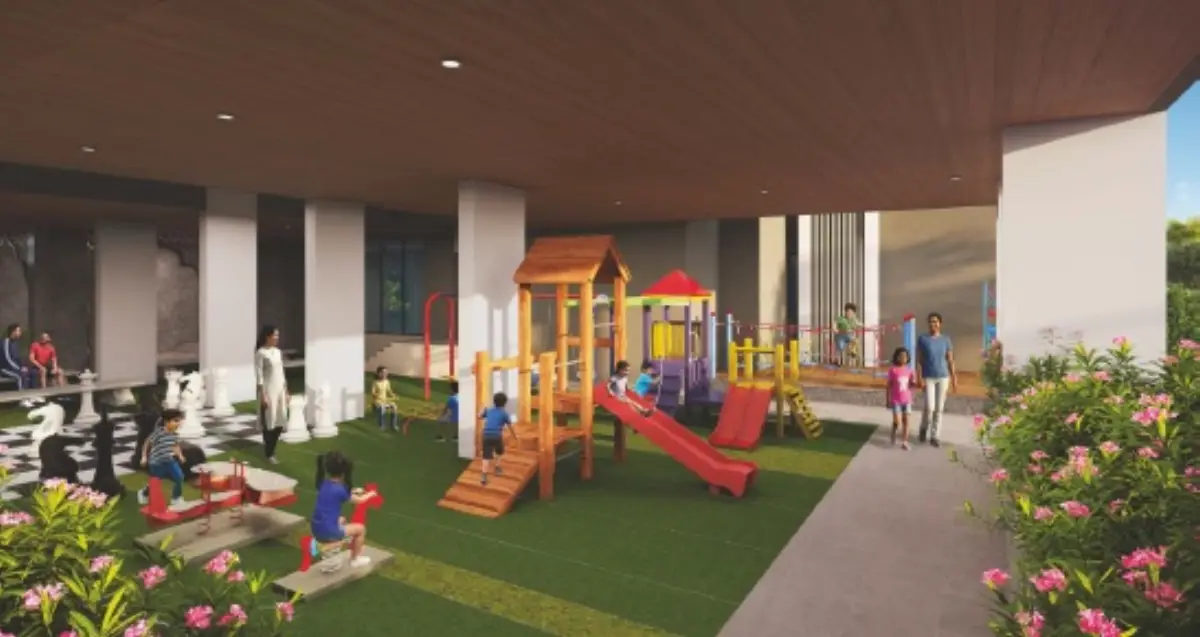
- Which amenities in the brochure are actually built, and which are still planned? For example, Serenity's brochure plans a podium amenity deck with a pool, gym and squash court, while Lake View lists a pool, a terrace-floor gym, a restaurant and guest rooms. At any project, ask when each will be ready.
- Who runs them after handover, and what will monthly maintenance cost? Is there a separate club fee?
- Is there a corpus fund, and how much is the maintenance deposit?
Maintenance above ₹7,500 a month per flat can attract 18% GST if the association's turnover is above ₹20 lakh (CBIC Circular 109/28/2019-GST), which is worth knowing in a large project.
Questions to ask on the day
- What is the RERA number, and what is the declared completion date?
- What is the carpet area of this exact unit, and its balcony area?
- Can I see the sanctioned plan, and is this flat exactly as approved?
- What is the full cost, with parking, GST, deposits and every other charge in writing?
- What is the payment schedule, and is it linked to construction stages?
- Which banks have approved the project for home loans?
- What are the specifications, with brands, and will they be listed in the agreement?
- Who do I contact after handover if something goes wrong?
After the visit
Write your notes the same day while you remember the details, and keep the photos and videos together for each project. Send any unanswered questions to the builder by email or message so you get the answers in writing. Then compare projects side by side on the same checklist.
If you live away from Hubballi, a video walkthrough is a good first step; some of Serenity's units have a walkthrough on its floor plans. Still try to visit in person, or send someone you trust, before you sign the agreement. Our guide on how to choose a builder in Hubli covers the checks that go beyond a single site visit.
Sources
- Real Estate (Regulation and Development) Act, 2016 — Act text — Haryana Real Estate Regulatory Authority, accessed 26 November 2026
- Circular No. 109/28/2019-GST on maintenance charges collected by RWAs — CBIC, accessed 26 November 2026
Written by the Shriya Properties team in Hubballi and checked against the sources above on 26 November 2026. Rules, rates and prices change — confirm the current figures before you decide. Spotted something out of date? Tell us.
Questions buyers ask
What should I check on a site visit before buying a flat?
The approach road, traffic and drainage around the site; the structure, lifts, fire safety, water and parking in the building; and inside the flat, room sizes against the plan, light, ventilation, toilets and electrical points.
How many times should I visit a site before buying?
At least twice, at different times of day, ideally once at peak traffic hour and once in the evening. A visit during heavy rain shows you how the area drains.
How do I check the carpet area of a flat at the site?
Measure each room wall to wall, multiply length by width, and add them up. Measure balconies separately. Compare the total with the RERA carpet area in the agreement.
What should I check in a ready-to-move flat?
Water pressure and drainage, damp patches, hollow tiles, every switch and socket, the meters, and the occupancy certificate, e-khata and proof that tax and association dues are paid.
What questions should I ask the builder during a site visit?
The RERA number and completion date, the carpet area of your unit, the full written cost, the payment schedule, the specifications and brands, the banks that have approved the project, and who handles defects after handover.