If you are an NRI or an OCI cardholder with roots in Hubballi (Hubli), Dharwad or elsewhere in North Karnataka, buying a flat here is allowed and fairly routine — but the money, the tax and the paperwork work differently from a resident's purchase. This page gives the rules in one place. For the full process from first call to keys, read our step-by-step NRI guide.
Rules below are as published by the Reserve Bank of India (RBI) and the Income Tax Department, checked in November 2026. The Income-tax Act, 2025 replaced the 1961 Act from 1 April 2026, so section numbers you may remember have changed.
What NRIs and OCIs may buy
The Foreign Exchange Management (Non-Debt Instruments) Rules, 2019 govern this, and the RBI's FAQ summarises them:
- Allowed: residential and commercial property, bought from a resident, an NRI or an OCI. A flat in Hubballi is squarely within this.
- Not allowed by purchase: agricultural land, farm houses and plantation property.
- Gifts and inheritance: you can receive non-agricultural property as a gift from a relative who is a resident, NRI or OCI, and you can inherit property.
- No cap on buying: the two-property limit you may have heard of applies to taking sale money out of India, not to how many homes you buy.
Citizens of Pakistan, Bangladesh, Sri Lanka, Afghanistan, China, Iran, Nepal, Bhutan, Macau, Hong Kong and North Korea need the RBI's prior permission to buy property in India, but the RBI notes this restriction does not apply to OCIs.
Paying for the flat
Payment must reach India through normal banking channels: a fresh remittance, or funds in your NRE, FCNR(B) or NRO account. Traveller's cheques and foreign currency notes are not allowed.
| Account | What it is | Why it matters here |
|---|---|---|
| NRE | Rupee account funded from abroad | Fully repatriable; interest is tax-free in India |
| FCNR(B) | Fixed deposit held in foreign currency | Repatriable; one to five-year terms |
| NRO | Rupee account for income earned in India | Balances can go abroad up to USD 1 million a financial year |
Keep the bank records showing the price was paid in foreign exchange through banking channels. When you sell, repatriating the proceeds depends on that trail.
Home loans for NRIs
Under the RBI's Master Direction on rupee lending to NRIs (updated September 2026), banks and NHB-approved housing finance companies may lend to NRIs and persons of Indian origin to buy a home in India. The loan amount, margin and tenure are on the same terms as for residents, the loan is secured by a mortgage on the flat, and you repay through remittances from abroad, your NRE, FCNR(B) or NRO account, or rent from the property. A relative in India may also pay instalments into your loan account. Try the numbers on our EMI calculator.
Tax when you buy
- Stamp duty and registration: the same as for residents — 5% stamp duty, a 2% registration fee since 31 August 2025 and about 0.6% in cess and surcharge.
- TDS on the price: when the seller is a resident, as a builder is, and the price is ₹50 lakh or more, you as the buyer deduct 1% of the price or the stamp duty value, whichever is higher. This now sits in section 393(1) of the Income-tax Act, 2025 (Table, Sl. No. 3(i)), the successor to the old section 194-IA, and is paid with Form 141.
Renting it out
Rent from a Hubballi flat is taxed in India. Because you are a non-resident, your tenant has to deduct tax at the rates in force under section 393(2) (Table, Sl. No. 17). The RBI treats current income like rent as something you can credit to your NRE account or send abroad from your NRO account once tax is settled.
Selling later
- Capital gains: a flat held for more than 24 months is a long-term asset, taxed at 12.5% without indexation under section 197. The option of 20% with indexation for property bought before 23 July 2024 is written for resident individuals and HUFs only.
- TDS on your sale: the buyer must deduct tax under section 393(2) (Table, Sl. No. 17). You can apply to the Assessing Officer for a lower or nil deduction certificate under section 395(1).
- Reinvesting: section 82 lets an individual reduce or avoid tax on a long-term gain from a house by buying another residential house in India within one year before or two years after the sale, or building one within three years.
- Taking money out: sale proceeds of up to two residential properties can be repatriated if they were bought under the foreign exchange rules, and the RBI allows up to USD 1 million per financial year. Your bank will ask for Form 145 (formerly 15CA) and, above the threshold, a chartered accountant's Form 146 (formerly 15CB).
Buying from abroad, in practice
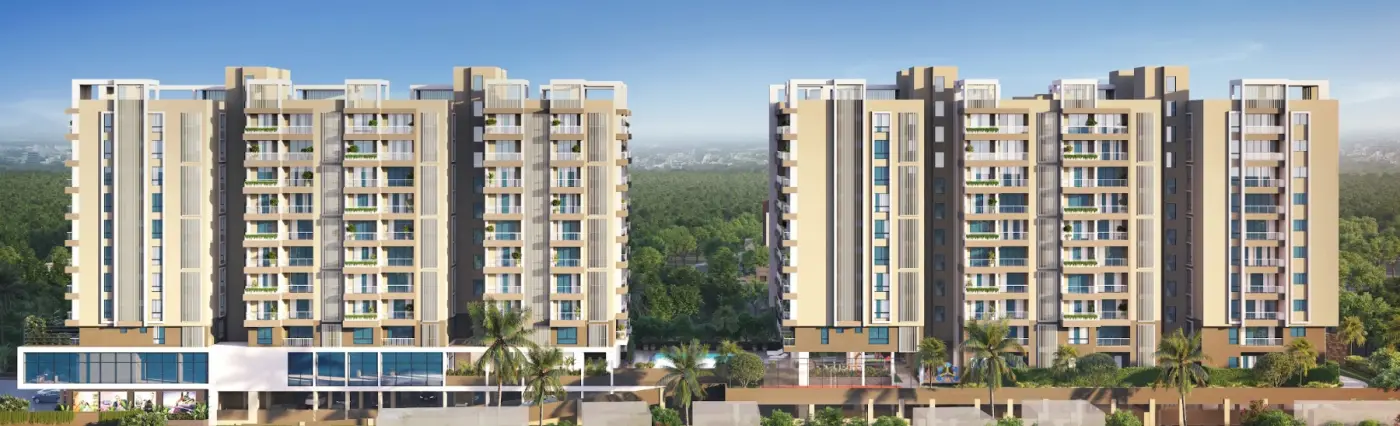
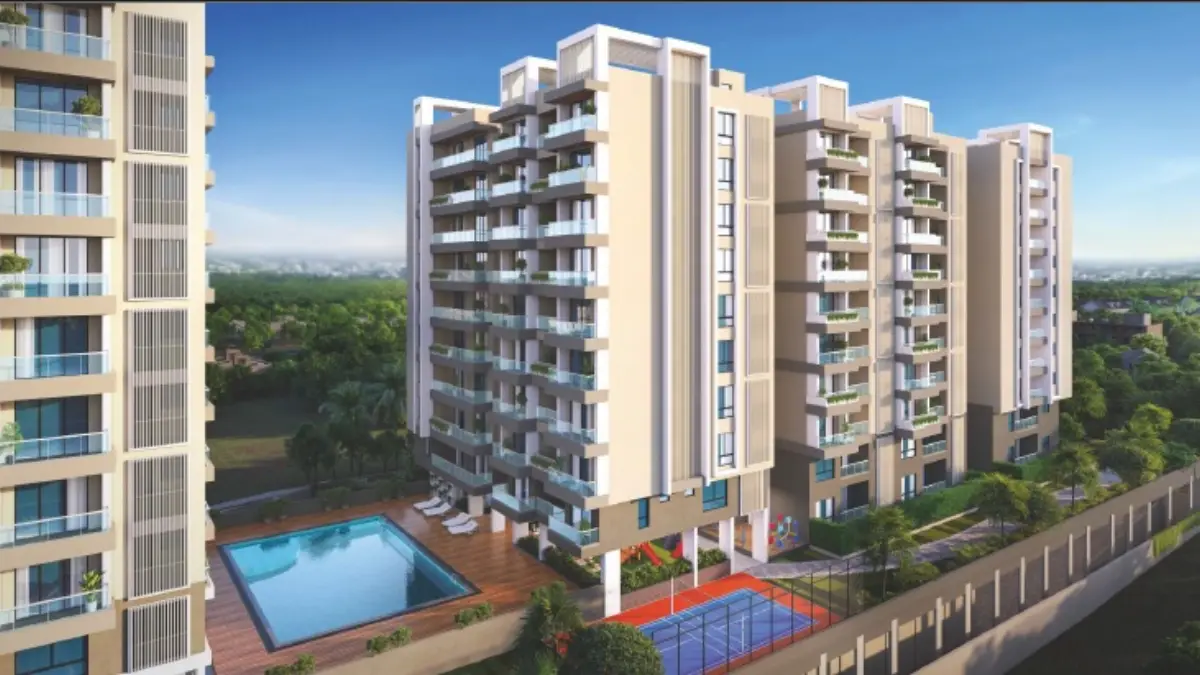
You don't need to fly in for each step. Several Shreya Serenity units have walk-throughs you can open from the floor plans, and our team shows any home on a video call. Both ongoing projects are Karnataka RERA-registered — Serenity as PRM/KA/RERA/1259/479/PR/130525/007734 and Lake View as PRM/KA/RERA/1259/479/PR/060324/006680 — and you can verify them on rera.karnataka.gov.in.
Registration needs the buyer at the Hubballi sub-registrar's office, or someone holding your power of attorney. A power of attorney signed abroad is usually attested at an Indian embassy or consulate, or notarised and apostilled in Hague Convention countries, and then stamped in Karnataka within three months of reaching India. Have a Hubballi lawyer draft it before you sign.
This is general information, not legal or tax advice. Rules change; confirm with your bank and a chartered accountant before you commit.
Sources
- FAQ: Purchase of Immovable Property (updated 6 April 2023) — Reserve Bank of India, accessed 26 November 2026
- FAQ: Accounts in India by Non-residents (updated 16 January 2025) — Reserve Bank of India, accessed 26 November 2026
- Master Direction – Borrowing and Lending transactions in Indian Rupee between Persons Resident in India and NRIs/PIOs (updated 8 September 2026) — Reserve Bank of India, accessed 26 November 2026
- Income-tax Act, 2025 — section 393 (TDS) — Income Tax Department, accessed 26 November 2026
- TDS due dates, Form No. 141 (Income-tax Rules 2026) — Income Tax Department, accessed 26 November 2026
- Income-tax Act, 2025 — section 395 (certificates for lower deduction) — Income Tax Department, accessed 26 November 2026
- Income-tax Act, 2025 — section 197 (tax on long-term capital gains) — Income Tax Department, accessed 26 November 2026
- Income-tax Act, 2025 — section 82 (profit on sale of property used for residence) — Income Tax Department, accessed 26 November 2026
- Selling a property this year? Why the new 12.5% capital gains tax may not always reduce your tax bill (22 Jul 2026) — Business Today, accessed 26 November 2026
- New tax declaration forms introduced for NRI remittances (Forms 145 and 146) — BDO India, accessed 26 November 2026
- Karnataka: Property deals to cost more, registration fee hiked to 2% (30 Aug 2025) — Deccan Herald, accessed 26 November 2026
- Power of attorney in Karnataka (NRI execution, stamping within three months) — Landeed, accessed 26 November 2026
Written by the Shriya Properties team in Hubballi and checked against the sources above on 26 November 2026. Rules, rates and prices change — confirm the current figures before you decide. Spotted something out of date? Tell us.
Questions buyers ask
Can an OCI cardholder buy a flat in Hubballi?
Yes. Under the FEMA (Non-Debt Instruments) Rules, 2019, NRIs and OCIs can buy residential and commercial property in India. They cannot buy agricultural land, farm houses or plantation property.
Can I pay for the flat from my NRO account?
Yes. The RBI allows payment from NRE, FCNR(B) or NRO accounts, or by fresh remittance through banking channels. Traveller’s cheques and foreign currency notes are not allowed.
Do I deduct TDS when I buy from a builder as an NRI?
Yes, if the price is ₹50 lakh or more. You deduct 1% of the price or stamp duty value, whichever is higher, under section 393(1) of the Income-tax Act, 2025 and pay it with Form 141.
How much can I send abroad when I sell?
Sale proceeds of up to two residential properties bought under the foreign exchange rules can be repatriated, and the RBI allows up to USD 1 million per financial year. The bank will need Form 145 and, where required, a CA’s Form 146.
Can NRIs get a home loan for a flat in Hubballi?
Yes. Banks and NHB-approved housing finance companies lend to NRIs on the same terms as residents, secured by the flat, with repayment from abroad, from NRE/FCNR(B)/NRO accounts or from the flat’s rent.