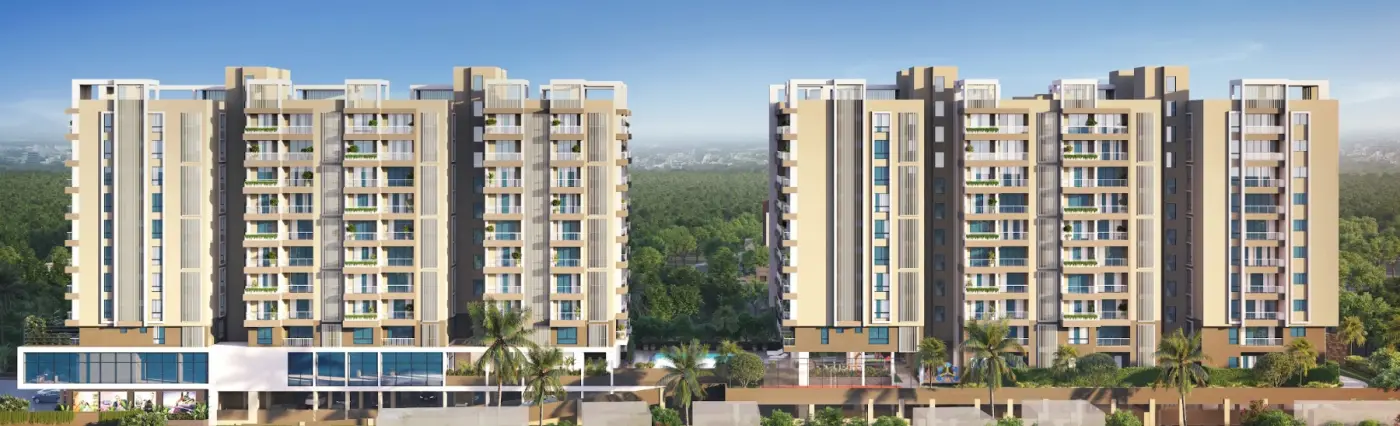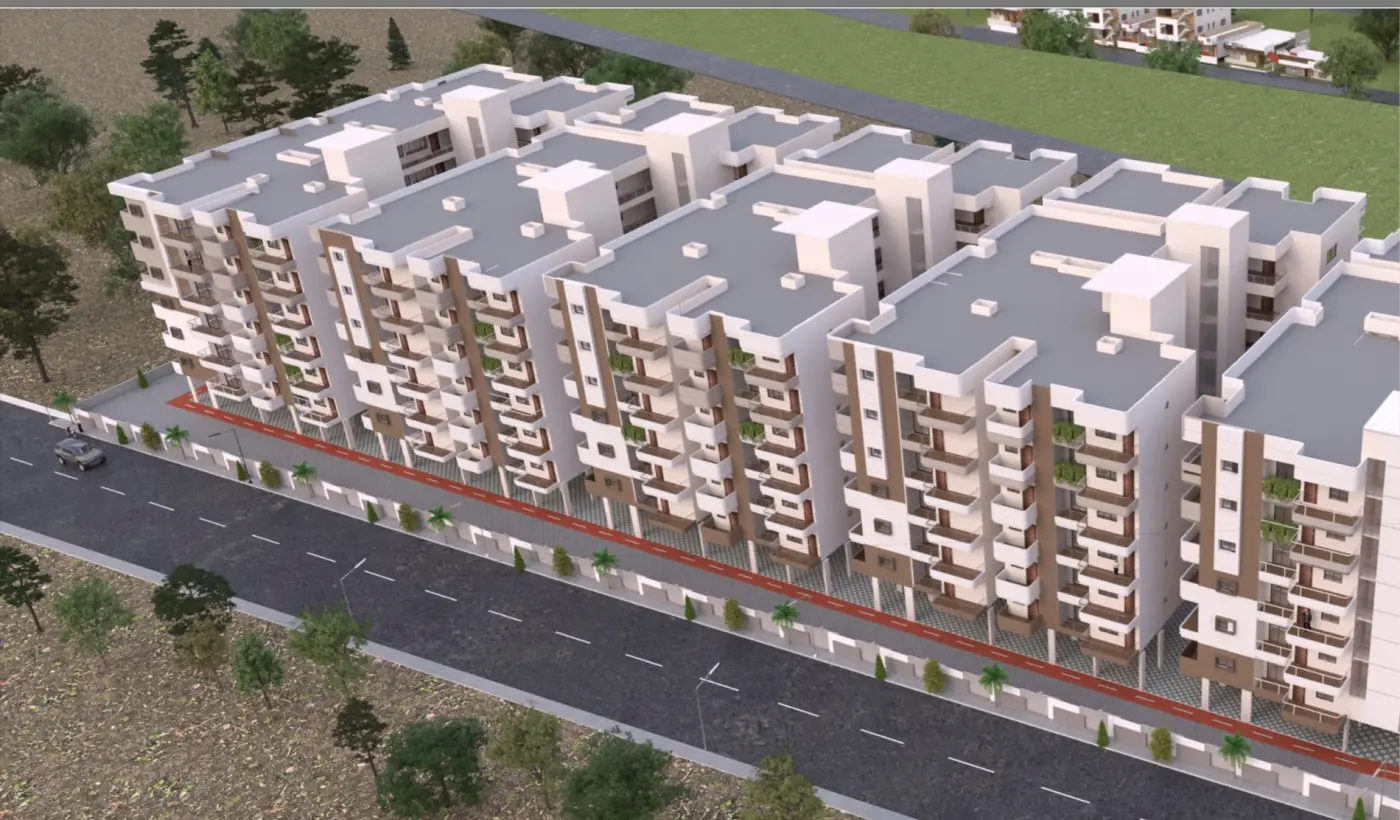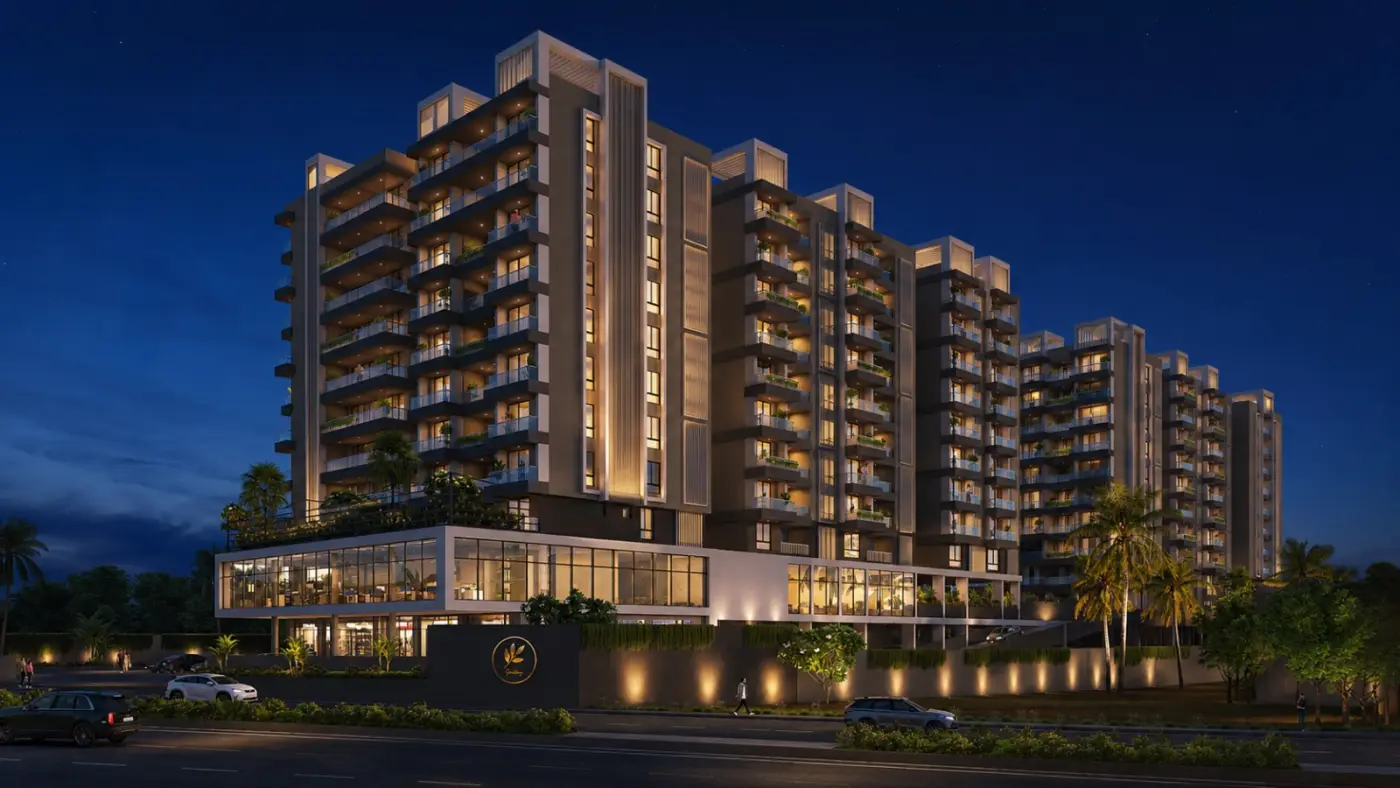
A flat is only as safe as its paperwork. In Hubballi (Hubli) and Dharwad, as everywhere in Karnataka, the documents fall into three groups: proof that the land and building belong to the seller, proof that the building was approved and completed as approved, and the documents that transfer it to you. Since 2024 the khata has also gone digital, which changes what the sub-registrar will accept.
This checklist explains each document in plain terms. It is general information, not legal advice. For any flat you are serious about, have a local advocate read the full set and give you a written title report. Most home-loan banks will commission their own legal and technical check too, which is a useful second opinion.
1. Title deed and the chain of ownership
The title deed is the registered document by which the current owner acquired the land, such as a sale deed, gift deed or partition deed. Your advocate will trace the chain back through earlier deeds to make sure each transfer was valid and nobody else has a claim.
For a new apartment, the builder either owns the land or has a joint development agreement (JDA) with the landowner, usually with a power of attorney allowing the builder to sell flats. Ask for both, and check that the landowner's share of flats is clearly separated from what the builder is selling.
2. Encumbrance certificate (EC)
The EC lists the registered transactions on a property over a period you choose, such as sales, mortgages and leases. In Karnataka an EC with entries is issued in Form 15 and a nil EC in Form 16. You can apply for it online through the Kaveri system, which issues ECs alongside registration (Star of Mysore, March 2023).
What to look for: every sale in the title chain should appear; any mortgage (for example, a builder's project loan) should either be released or the lender should give a no-objection letter for your flat. Remember that an EC shows only registered transactions, which is why the advocate's search matters too.
3. Land records and conversion
Before a building can go up on what was farmland, the land must be converted to non-agricultural use by an order of the Deputy Commissioner under section 95 of the Karnataka Land Revenue Act, 1964. Ask for the conversion order and the land records (the RTC, or pahani) from before conversion, and check that the land use in the area's master plan allows housing. In Hubballi-Dharwad, the master plan and layout approvals come under the Hubballi-Dharwad Urban Development Authority (HDUDA).
4. Khata, e-Khata and e-Aasthi
The khata is the city's record of a property and its owner for property tax. In urban Karnataka it is now issued digitally as an e-khata through the e-Aasthi software. When the Assembly passed the change in February 2024, Star of Mysore reported that e-Aasthi registration would be mandatory, that paper khatas would no longer be accepted for registering property in urban areas, and that Kaveri 2.0 would automatically check the city or municipal corporation's database before registering (Star of Mysore, February 2024). The digital khata carries 47 types of information, including the owner's photograph.
In Hubballi-Dharwad, the Hubballi-Dharwad Municipal Corporation (HDMC) runs e-Aasthi. In January 2025 it held special counters to bring more owners onto the system; at that time 1,00,655 of about 3.3 lakh properties in the twin cities were registered under e-Aasthi (Construction World, January 2025). If you buy a resale flat, check that the seller's e-khata is issued, not just applied for.
A-khata and B-khata. An A-khata is for property in an approved layout with approved buildings. A B-khata was issued in a one-time drive to record unauthorised properties for tax, and does not regularise them. In September 2026 the state opened a route to convert eligible B-khatas to A-khatas in urban local bodies: the B-khata must have been issued on or before 10 September 2024, the land must be up to 1,000 sq m, the use must fit the master plan, and the window runs to 31 December 2027 (Oneindia, September 2026). For a new flat from a builder, insist on land with a proper e-khata and approved plans; home loans against B-khata property can be harder to get.
5. Sanctioned plan and building licence
The building plan must be sanctioned and a building licence issued by the competent authority; within corporation limits that is HDMC. Check the sanctioned plan against what is being built: the number of floors, the position and size of your flat, parking, setbacks and common areas. A flat that is not on the sanctioned plan, such as an extra floor, cannot be regularised easily and will not get an occupancy certificate.
6. Commencement certificate and RERA registration
Before construction starts, the builder needs a commencement certificate or equivalent permission. For a project that must be registered under RERA, the builder has to upload authenticated copies of the approvals and commencement certificate along with the sanctioned plan, layout plan and specifications (RERA Act text, section 4(2)). That makes the portal a convenient place to download them. Our guide on how to check a RERA project walks through it.
7. Completion and occupancy certificates
These two documents prove the building is finished as approved and fit to live in:
- Completion certificate: RERA defines it as the certificate that the project has been developed according to the sanctioned plan, layout plan and specifications (section 2(q)).
- Occupancy certificate (OC): the certificate from the local authority permitting occupation of the building, which provides for civic infrastructure such as water, sanitation and electricity (section 2(zf)).
For a ready flat, ask to see the OC before you pay anything substantial. Under RERA, the builder must register the conveyance deed in your favour within three months of the OC where no local law sets a period (section 17), and you must take possession within two months of it (section 19(10)). The OC also matters for tax: a flat sold after the completion certificate, with the full price paid after that date, does not attract GST; see GST on flats.
8. Tax, utility and maintenance receipts
For any flat, and especially a resale, collect the latest property tax receipt from HDMC, the electricity bill (HESCOM in Hubballi-Dharwad), water bills and a no-dues letter from the apartment association. Unpaid dues can follow the property.
9. Agreement for sale and sale deed
These are two different documents:
| Agreement for sale | Sale deed (conveyance deed) | |
|---|---|---|
| What it does | Records the price, payment schedule, specifications, carpet area and completion date | Transfers ownership to you |
| When | At booking, for a new flat | At handover, or at once for a ready flat |
| Registered? | Yes, if the builder is to take more than 10% of the price (RERA section 13) | Always |
| Main cost | Stamp duty as advised by your advocate | 5% stamp duty plus cess and surcharge, and 2% registration fee for most flats |
Read the draft agreement before paying the booking amount. Check the carpet area of your exact unit, the list of specifications, the parking allotment, the completion date and what happens if either side is late. The stamp duty guide has the 2026 rates and worked figures.
10. Bank approvals and loan papers
Many banks pre-approve projects after their own legal and technical review. A list of lenders that have approved a project is a useful filter, but it is not a guarantee, so still do your own checks. If you take a loan for an under-construction flat, you will sign the bank's sanction letter and usually a tripartite agreement between you, the builder and the bank. If the builder has a project loan, ask for the lender's no-objection letter for your flat.
Quick checklist
| Document | Issued by | When to ask |
|---|---|---|
| Title deeds and JDA | Sub-registrar (registered deeds) | Before booking |
| Encumbrance certificate | Kaveri / sub-registrar | Before booking and before registration |
| Conversion order and RTC | Deputy Commissioner / revenue department | Before booking |
| E-khata | HDMC (e-Aasthi) | Before booking |
| Sanctioned plan, building licence | HDMC / HDUDA | Before booking |
| Commencement certificate, RERA registration | Local authority / Karnataka RERA | Before booking |
| Completion and occupancy certificates | Local authority | Before handover or before buying ready |
| Tax and utility receipts | HDMC, HESCOM, association | Before registration |
For the on-site part of the check, use our site visit checklist.
Sources
- e-Aasthi now a must for property registration — Star of Mysore, accessed 26 November 2026
- HDMC launches e-AASTHI-tax mela to boost property registration — Construction World, accessed 26 November 2026
- B Khata to A Khata conversion begins in Karnataka: 1,000 sqm limit, dates and rules — Oneindia, accessed 26 November 2026
- Kaveri-2.0 software available at all Sub-Registrar Offices in three months — Star of Mysore, accessed 26 November 2026
- Real Estate (Regulation and Development) Act, 2016 — Act text — Haryana Real Estate Regulatory Authority, accessed 26 November 2026
Written by the Shriya Properties team in Hubballi and checked against the sources above on 26 November 2026. Rules, rates and prices change — confirm the current figures before you decide. Spotted something out of date? Tell us.
Questions buyers ask
What documents should I check before buying a flat in Hubli?
The title deeds and any joint development agreement, an encumbrance certificate, the land conversion order, the e-khata, the sanctioned plan and building licence, the commencement certificate and RERA registration, and for a ready flat the completion and occupancy certificates.
How do I get an encumbrance certificate in Karnataka?
Apply online through the Kaveri system of the Department of Stamps and Registration, or at the sub-registrar’s office. An EC with entries is issued in Form 15 and a nil EC in Form 16.
Is e-Khata mandatory for property registration in Karnataka?
In urban areas, yes. Since the 2024 change, Kaveri 2.0 checks the city or municipal corporation’s e-Aasthi records before it registers a property, and paper khatas are not accepted.
What is the difference between A-khata and B-khata?
An A-khata is for property in an approved layout with approved buildings. A B-khata records an unauthorised property for tax without regularising it. Eligible B-khatas in urban local bodies can be converted to A-khatas until 31 December 2027.
Can I move into a flat without an occupancy certificate?
You should not. The OC is the local authority’s permission to occupy, and without it you can face trouble with khata transfer, utility connections, loans and resale.