Almost every apartment project in Hubballi (Hubli), Dharwad or elsewhere in Karnataka has to be registered with the Real Estate Regulatory Authority before it is advertised or sold. The registration is public. Anyone can open it on the Karnataka RERA portal and see what the builder has declared: the approvals, the completion date, how many flats are booked and how construction is going.
Most buyers stop at "is it RERA-registered?". The registration is only the starting point. This guide walks through the checks that matter, using the Real Estate (Regulation and Development) Act, 2016 (RERA) as the rulebook. Section numbers below refer to that Act (Act text).
Which projects must be registered
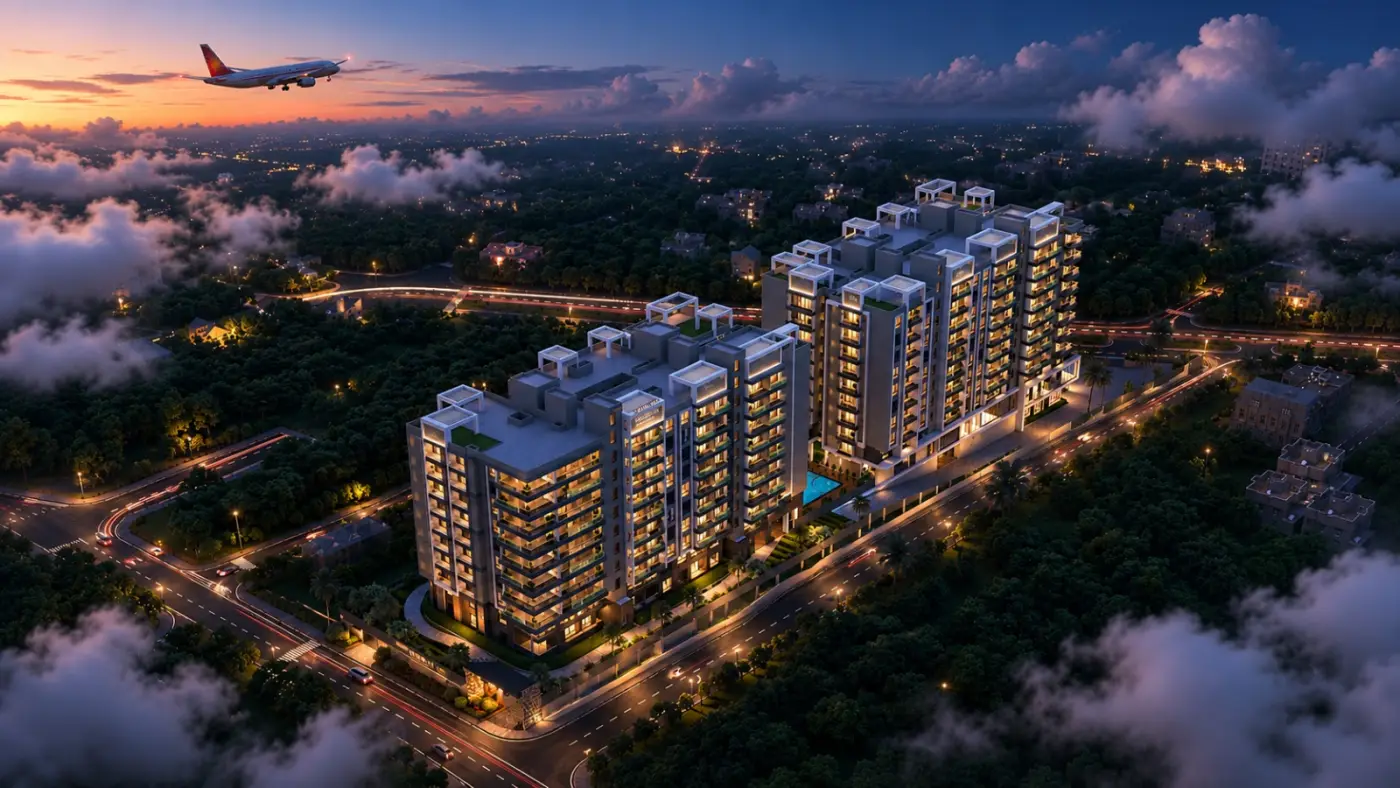
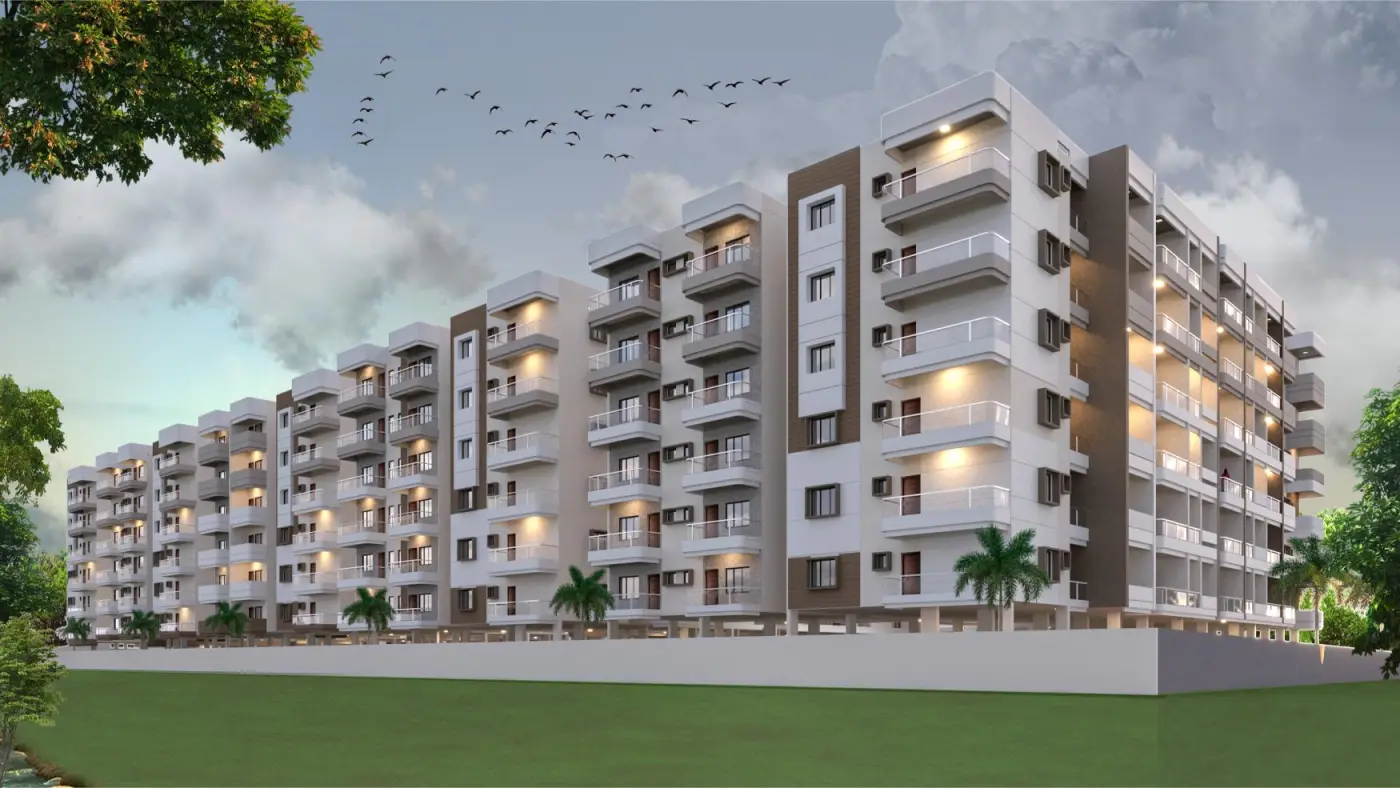
Under section 3, a project needs registration unless it is small: land of 500 sq m or less, or eight apartments or fewer across all phases. A builder cannot advertise, market, book or sell flats in a project that needs registration until it is registered. Both of Shriya's ongoing projects are well above the threshold: Shreya Serenity has 140 homes and Shriya Lake View has 168.
Step 1: Get the registration number
The number should be printed on every brochure, advertisement and booking form. If a salesperson cannot give it to you in writing, treat that as your first warning. Karnataka numbers look like this:
| Project | Karnataka RERA number |
|---|---|
| Shreya Serenity, Gokul Road | PRM/KA/RERA/1259/479/PR/130525/007734 |
| Shriya Lake View, Unkal | PRM/KA/RERA/1259/479/PR/060324/006680 |
Step 2: Search the portal
Go to rera.karnataka.gov.in and open the list of registered projects or the project search. You can search by registration number, project name, promoter (builder) name or district. For Hubballi-Dharwad, filtering by Dharwad district shows every registered project in the twin cities. The menu labels on the site have changed over the years, so if you cannot find the search page, look for "Projects" or "Project Status".
Searching by the full number is the most reliable. A project name can be shared by more than one builder, but the number is unique.
Step 3: Match the basics
Open the project page and check that it matches what you have been told:
- The promoter's legal name matches the company on your booking form and receipts.
- The address or survey number matches the site you visited.
- The number of blocks and flats matches the brochure. For example, Serenity is four wings (A to D) and Lake View is five blocks (A to E).
- The flat types and their carpet areas are listed. Section 4(2) requires the builder to declare the number, type and carpet area of the apartments for sale, with balcony, verandah and terrace areas shown separately.
Step 4: Read the completion date and any extension
The builder declares a date by which the project will be completed when it registers. That date is a promise you can enforce. If the builder fails to complete or hand over by the date in your agreement, section 18 lets you either withdraw and get your money back with interest, or stay and receive interest for every month of delay until possession.
The authority can extend a registration under section 6, but only for force majeure (war, flood, drought, fire, cyclone, earthquake or another natural calamity) and for no more than one year in total. If the portal shows an extension, read the reason.
Step 5: Check the quarterly updates
Section 11(1) requires the builder to keep its project page updated every quarter, including the number and types of flats booked, garages booked, approvals taken and pending, and the status of the project. In practice this is where you see construction progress, often with photographs.
What to look for:
- When was the last update filed? A project with no update for several quarters needs an explanation.
- Does the reported progress match the site? If the portal says the structure is complete on the fourth floor, you should see that when you visit.
- How many flats are booked? Steady bookings suggest a project with money flowing into it.
Step 6: Look at the documents uploaded
Under section 4(2), the builder must file authenticated copies of the approvals and commencement certificate, the sanctioned plan, layout plan and specifications, and details of projects it has launched in the past five years, including their status, delays and pending cases. Download the sanctioned plan and compare it with the brochure: number of floors, the position of your flat, parking and common areas. Our property documents checklist explains each approval.
Step 7: Search for complaints and orders
Section 31 lets any aggrieved person file a complaint with the authority or its adjudicating officer about a promoter, buyer or agent. Search the portal's complaints and orders for the project name and the builder's name. One complaint is not necessarily a red flag, because disputes happen on any large project. A pattern of orders for delay or refund across several projects is.
The 70% escrow rule, and why it protects you
Section 4(2)(l)(D) requires the builder to deposit 70% of the money collected from buyers in a separate account in a scheduled bank. That money can only be used for the cost of construction and land for that project. Withdrawals must be in proportion to the work completed and must be certified by an engineer, an architect and a chartered accountant in practice.
The point is simple: your instalments should build your building, not the builder's next launch. Pay only by cheque or bank transfer to the account named in your agreement and demand letters, and never in cash.
Carpet area: the only area RERA defines
Section 2(k) defines carpet area as "the net usable floor area of an apartment, excluding the area covered by the external walls, areas under services shafts, exclusive balcony or verandah area and exclusive open terrace area, but includes the area covered by the internal partition walls of the apartment". Built-up and super built-up area have no definition in the Act. Ask for the carpet area of your exact flat in writing and check that the agreement states it. Our guide to carpet, built-up and super built-up area shows how to compare prices on this basis.
Other rules worth knowing before you pay
| Rule | Section | What it means for you |
|---|---|---|
| No more than 10% before a registered agreement | 13(1) | The booking amount should not exceed 10% of the price until the agreement for sale is registered |
| Five-year defect liability | 14(3) | Structural and workmanship defects reported within five years of possession must be fixed free within 30 days |
| Conveyance deed | 17(1) | Where no local law sets a period, the builder must register the deed in your name within three months of the occupancy certificate |
| Take possession on time | 19(10) | You must take physical possession within two months of the occupancy certificate |
Use RERA to check a builder's track record
The portal is also the best record of how a builder has performed. Search the builder's name and open its older registrations: compare the completion date it declared with when the project was actually handed over. Shriya's delivered projects that were registered include Shriya Shivshakti Avenue (PRM/KA/RERA/1259/479/PR/020823/006104, occupancy certificate March 2026) and Shriya Lumbini (PRM/KA/RERA/1259/479/PR/210810/004249, delivered 2023). Projects completed before RERA registration began, such as Shriya Enclave and Shriya Mansion (2014), will not be on the portal; for those, ask to see the occupancy certificate and visit the building. Our checklist on how to choose a builder in Hubli goes further.
Red flags at a glance
- No registration number, or a number that does not match the project name or builder.
- A completion date that has already passed, or repeated extensions.
- Quarterly updates that stopped months ago.
- A request for more than 10% before a registered agreement, or for cash.
- Several orders against the builder for delay or refunds.
Sources
- Real Estate (Regulation and Development) Act, 2016 — Act text — Haryana Real Estate Regulatory Authority, accessed 26 November 2026
- Sale of Apartments/Floors on the basis of Carpet Area Regulations, 2021 (quotes section 2(k)) — Haryana Real Estate Regulatory Authority, Gurugram, accessed 26 November 2026
Written by the Shriya Properties team in Hubballi and checked against the sources above on 26 November 2026. Rules, rates and prices change — confirm the current figures before you decide. Spotted something out of date? Tell us.
Questions buyers ask
How do I check if a project is RERA-registered in Karnataka?
Get the registration number from the builder, then search for it on rera.karnataka.gov.in. The project page should show the same builder, address and flat count you were given.
Which projects need RERA registration?
Under section 3 of the RERA Act, every project except small ones: land of 500 sq m or less, or eight apartments or fewer across all phases, is exempt.
What is the 70% rule in RERA?
The builder must keep 70% of the money collected from buyers in a separate bank account and use it only for that project’s land and construction, withdrawing in step with progress certified by an engineer, architect and chartered accountant.
What can I do if the builder delays possession?
Under section 18 you can withdraw and get a refund with interest, or stay in the project and receive interest for every month of delay until you get possession. You can file a complaint with Karnataka RERA under section 31.
What is the RERA number of Shreya Serenity and Shriya Lake View?
Shreya Serenity is PRM/KA/RERA/1259/479/PR/130525/007734 and Shriya Lake View is PRM/KA/RERA/1259/479/PR/060324/006680. Both can be looked up on rera.karnataka.gov.in.